How does high temperature release paper ensure stable texture formation?
High-temperature release paper has become a foundational material in the processing of composite structures, synthetic leather, functional films, and specialty packaging. Its core value lies in thermal stability, controlled surface structure, consistent release performance, and compatibility with various resin systems.
Material Fundamentals and Structural Logic of High-Temperature Release Paper
High-temperature release paper is typically composed of a specialty base paper coated with high-temperature silicone systems or functional polymer layers, enabling stable demolding under high heat, high pressure, and continuous production. Its structure generally includes:
- Base Paper – Provides mechanical strength, dimensional stability, and heat resistance.
- Pre-Coating Layer – Enhances bonding between the base paper and the functional coating.
- Functional Coating Layer – Delivers release performance, anti-stick behavior, and surface texture transfer.
Depending on the application—such as dry/wet PU synthetic leather, thermal curing composites, or cast film processes—the required thermal resistance typically ranges from 130°C to above 180°C. Thus, the coating’s crosslinking density, anti-yellowing stability, and thermal endurance are crucial indicators of performance.
Surface Structure Control and Texture Reproduction
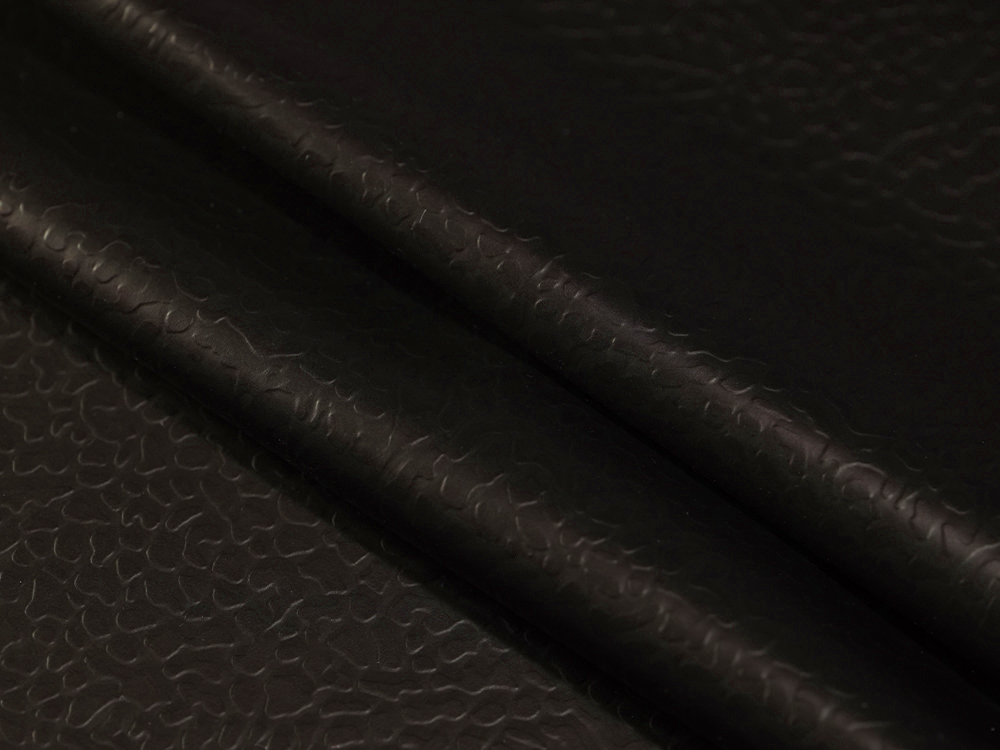
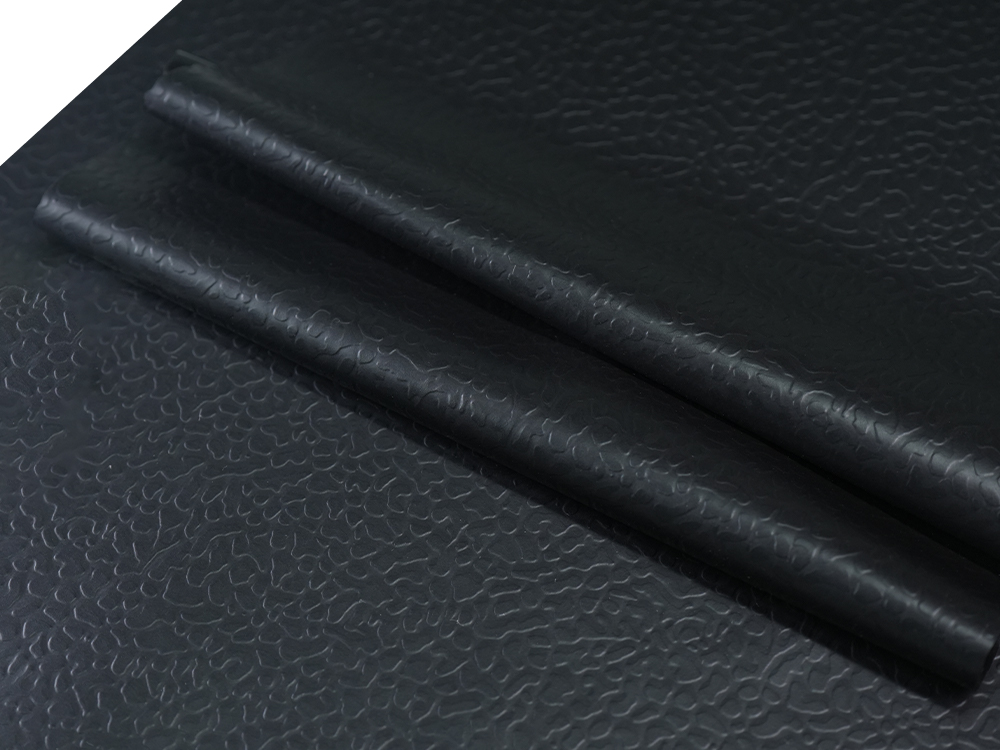
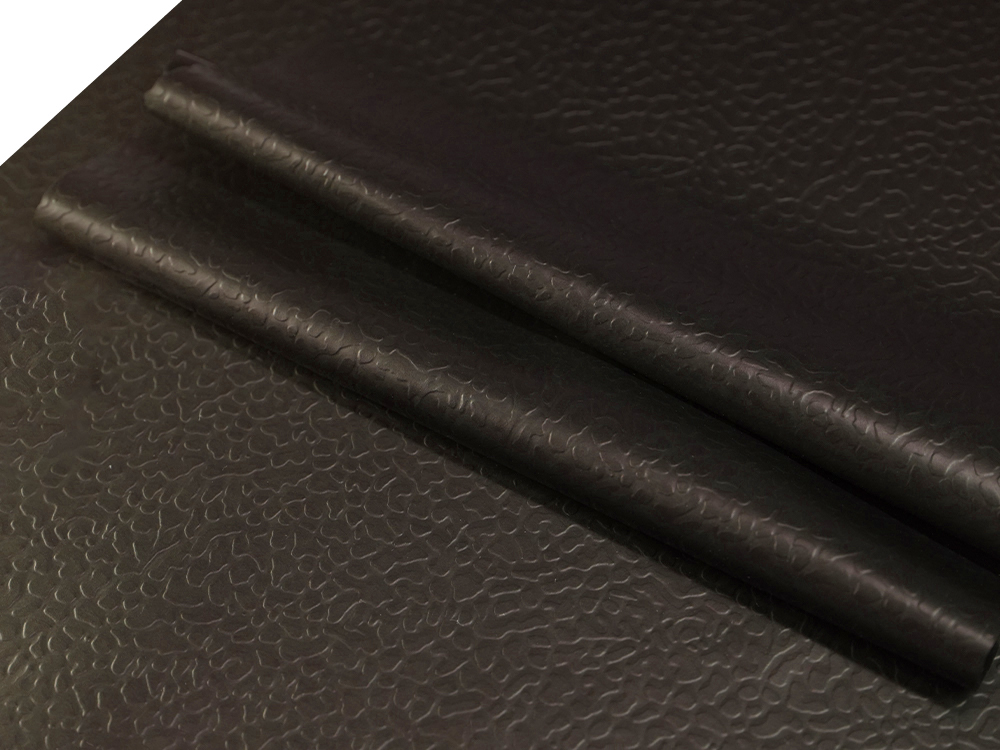
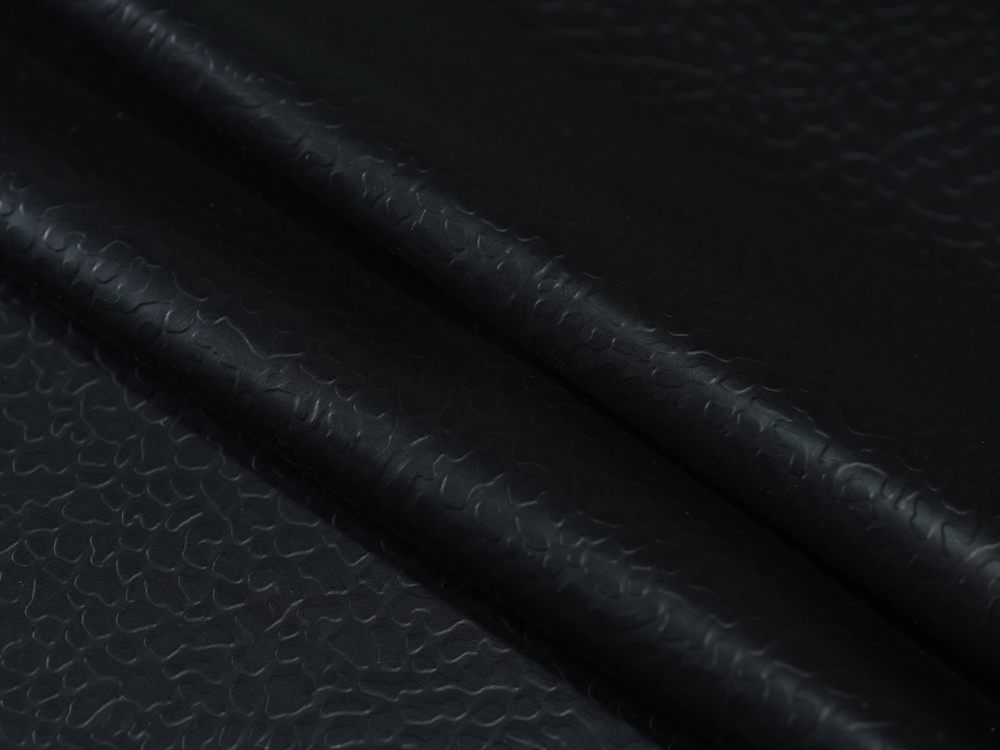
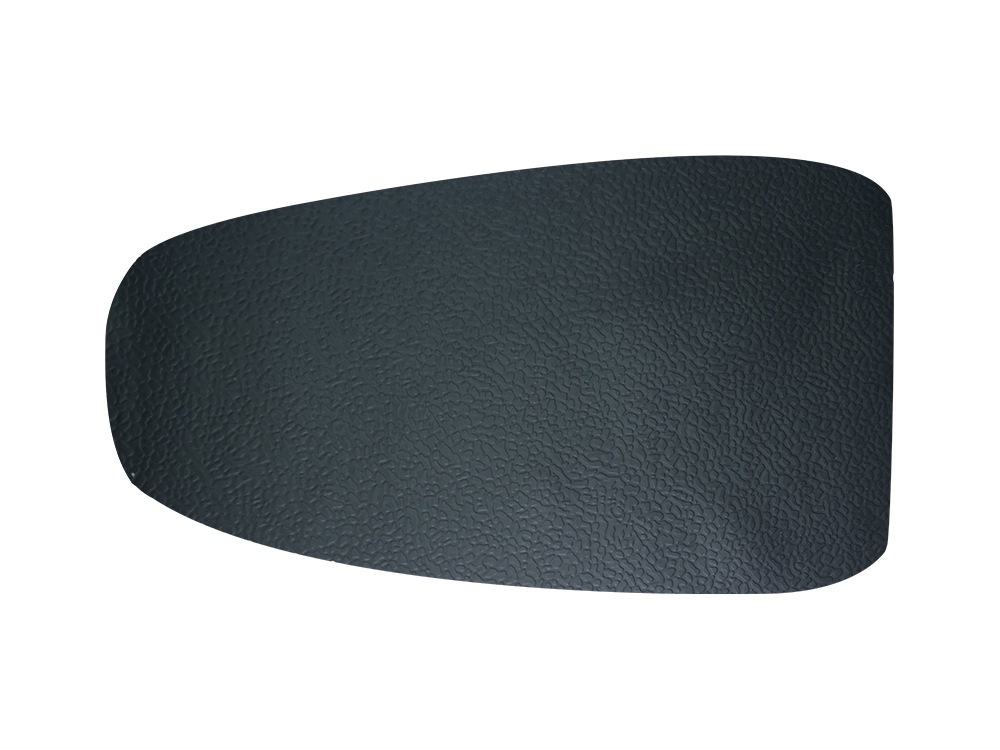
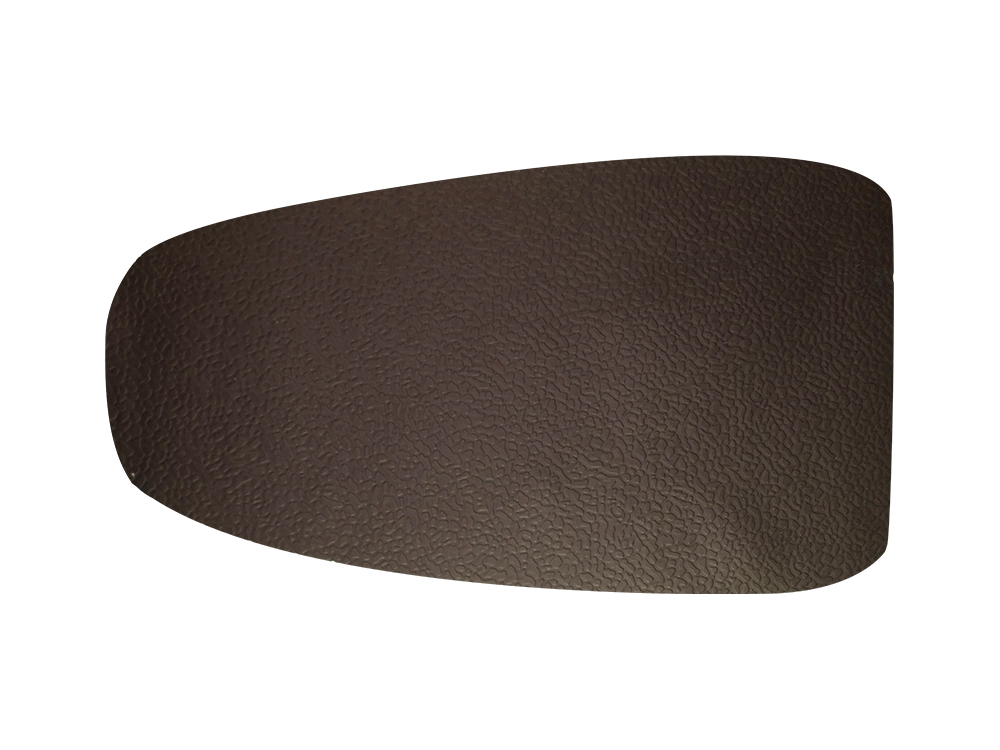
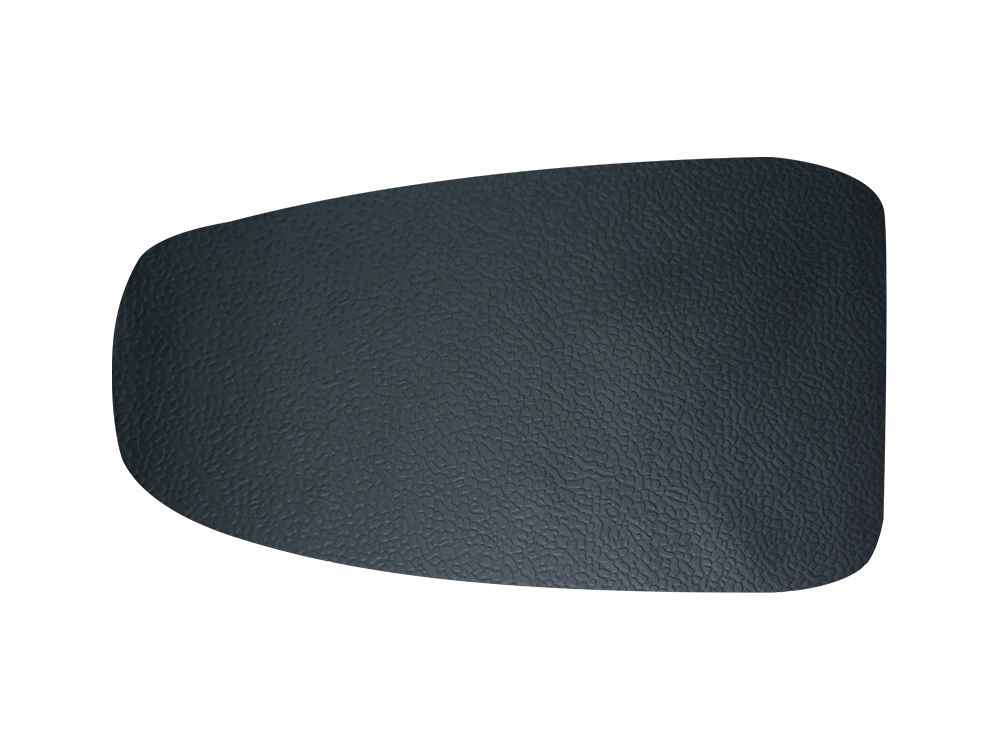
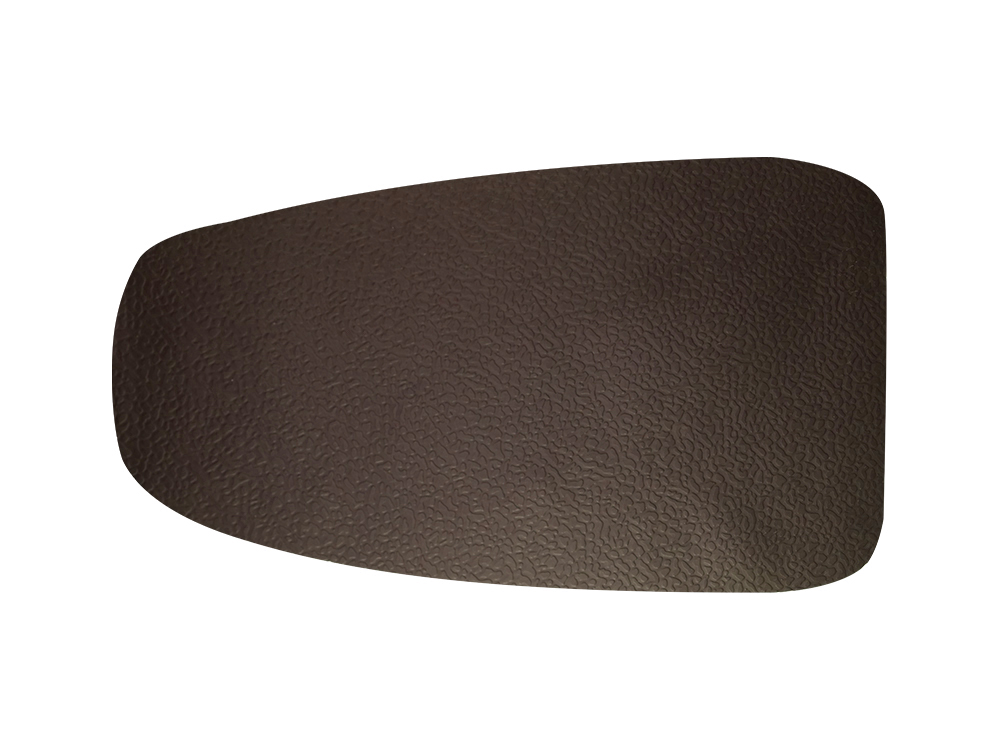
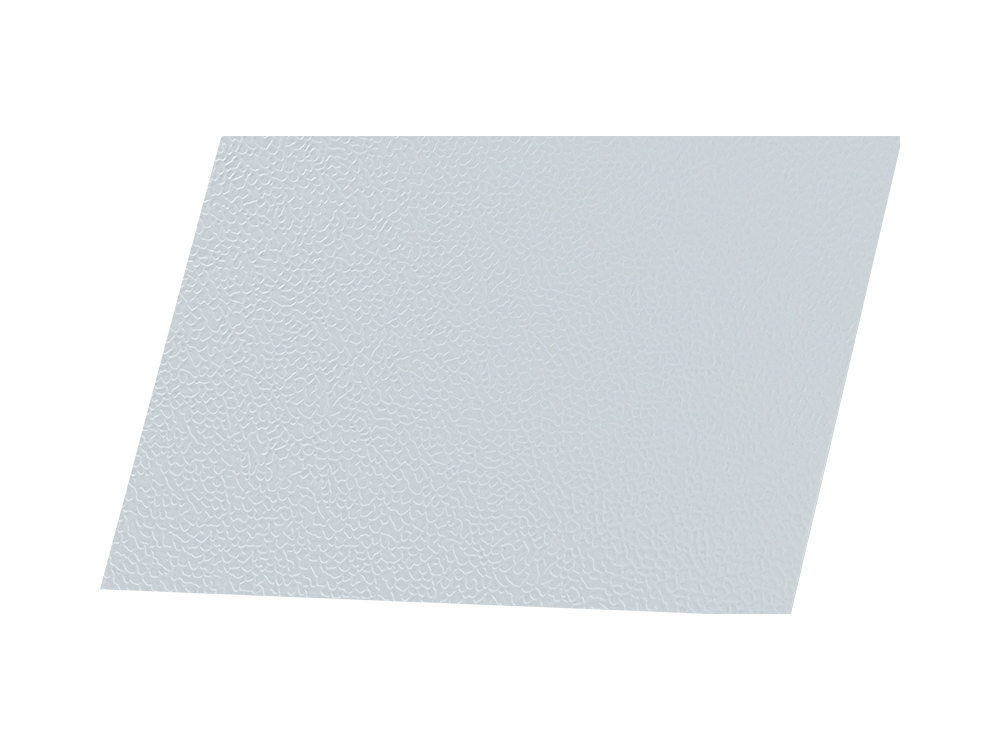
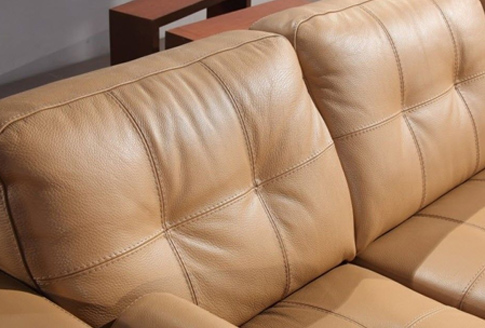
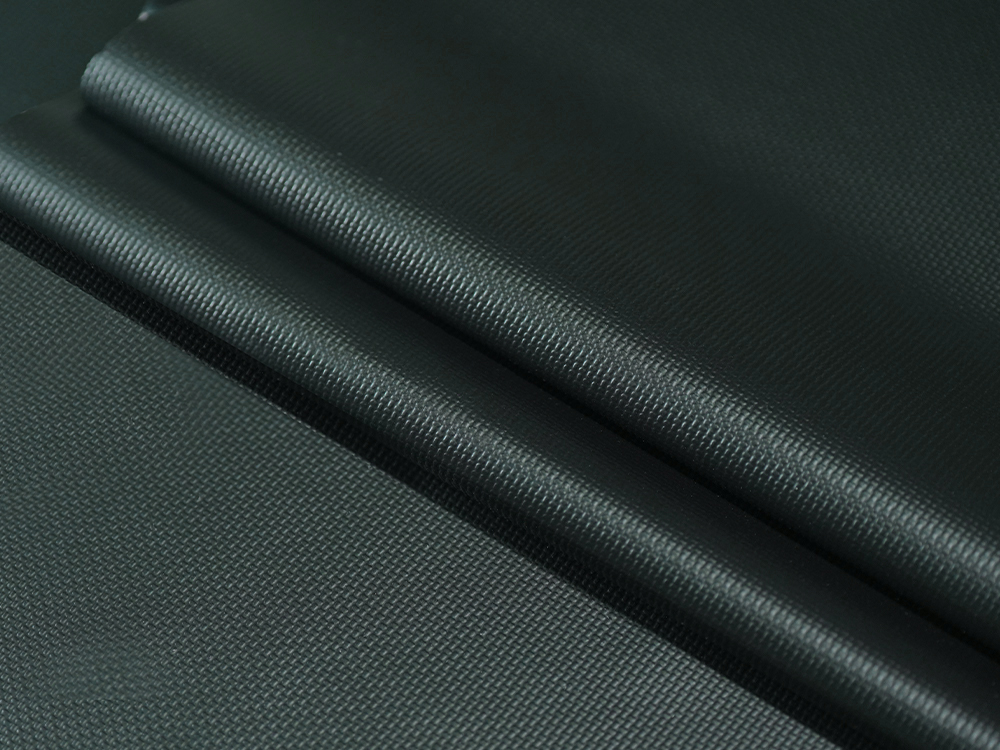
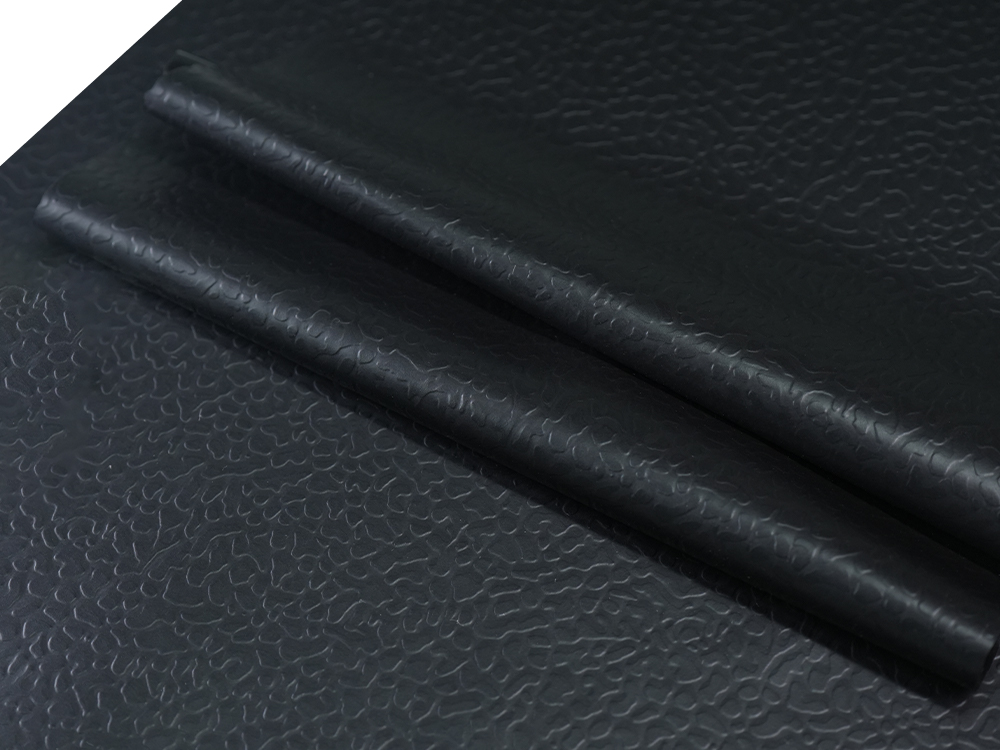
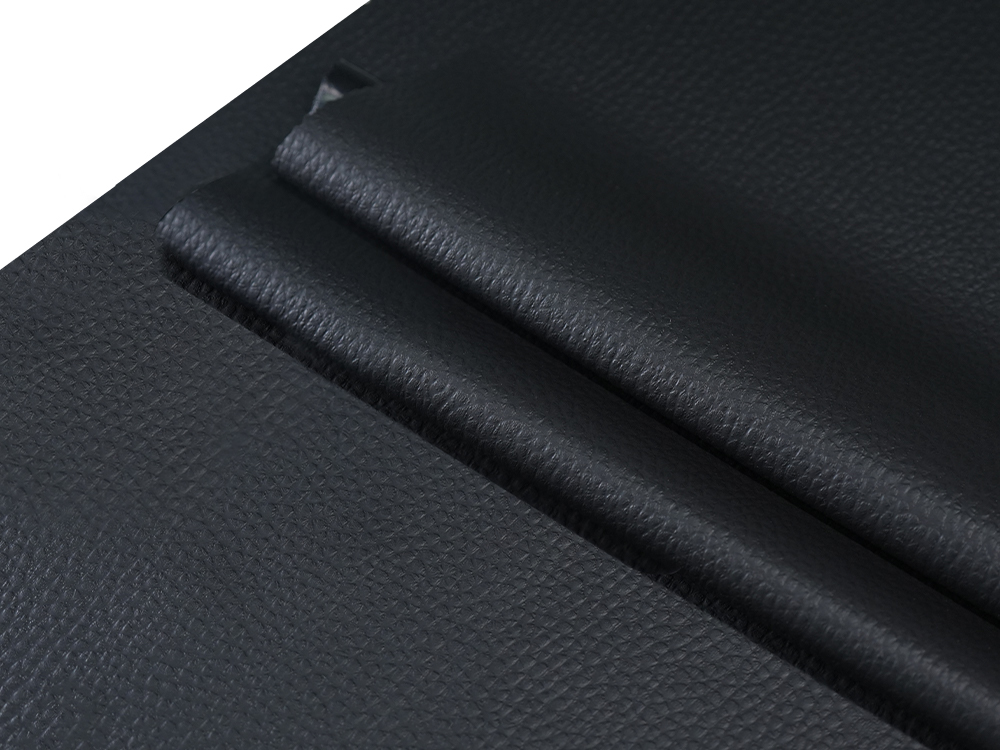
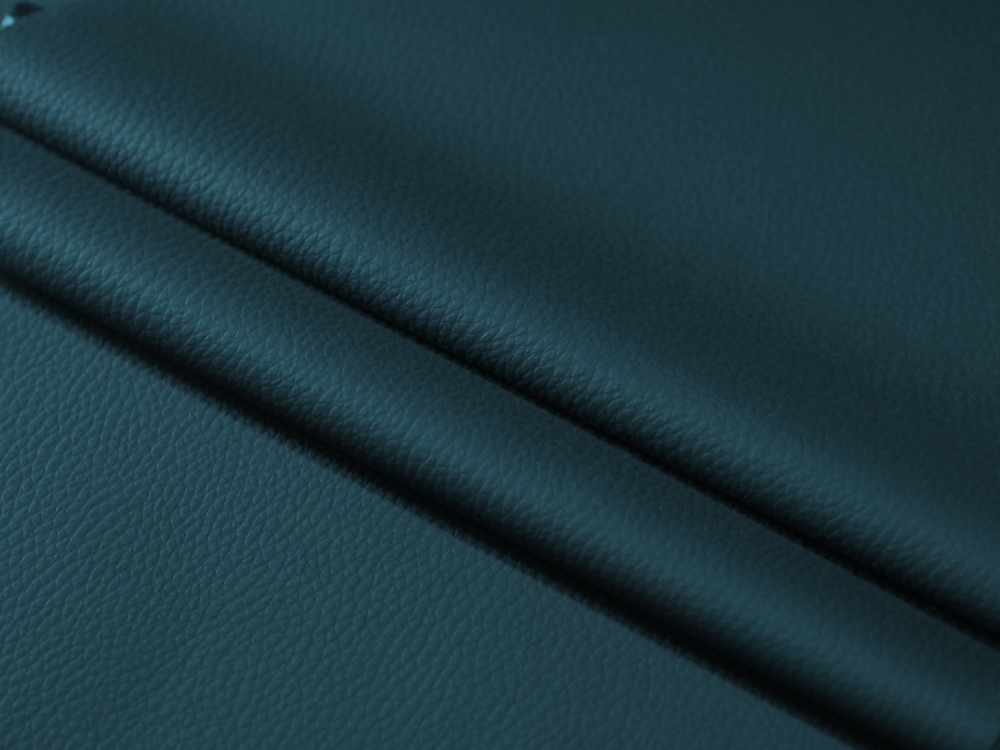
Beyond release functionality, high-temperature release paper serves as the “master surface” for texture formation. Gem-grade ultra-matte high-temperature release paper uses a precision embossing process to create an ultra-low gloss, uniform matte effect and delicate touch, helping synthetic leather achieve a high-end aesthetic and tactile feel comparable to natural materials.
Below is a structured overview of common surface types:
| Surface Type |
Gloss Level |
Tactile Features |
Representative Applications |
| Super Matt |
Ultra-low |
Soft, fine |
High-end PU leather, automotive interiors |
| Semi Matt |
Low to medium |
Smooth |
Technical films, specialty packaging |
| High Gloss |
High |
Polished, mirror-like |
Glossy synthetic leather, decorative films |
| Texture Grain |
Adjustable |
Fine to coarse |
Footwear leather, furniture leather |
Texture uniformity is heavily dependent on coating levelling behavior and embossing accuracy—core competencies of advanced release-paper manufacturers.
Thermal Stability and Processing Compatibility
High-temperature release paper must perform reliably across diverse processing environments, including:
- Wet and dry PU synthetic leather calendaring
- Thermal-curing resin composite demolding
- Cast-film extrusion or hot-press lamination
- Specialty coating and surface finishing processes
Its key performance indicators include:
- Thermal Dimensional Stability – No deformation, shrinkage, or warping under repeated heat cycles.
- Anti-Yellowing Properties – Maintains surface color and chemical integrity under prolonged heat exposure.
- Consistent Release Performance – Prevents adhesion, residue, or surface defects during repeated use.
- Texture Accuracy – Maintains uniform pattern depth and clarity during high-speed production.
Manufacturing Technology and Process Control
Producing high-temperature release paper requires precise control over base-paper densification, coating uniformity, curing crosslinking, and embossed surface replication. This places high demands on equipment, process engineering, and quality assurance systems.
Anhui Honghuan New Material Technology Co., Ltd., a comprehensive enterprise integrating R&D, production, and sales, exemplifies a technology-driven approach in this field. Honghuan specializes in release paper, PE-coated paper, and various specialty packaging materials, offering high-efficiency after-sales support through a team of experts in leather release paper.
Detection
Honghuan is equipped with advanced testing instruments—such as pilot coating machines and analytical devices—to ensure accurate measurement of coating thickness, surface energy, thermal performance, and texture fidelity. This ensures stable and repeatable product quality.
Efficiency
The company operates with strict cycle-time control throughout design, development, and mass production. Flexible scheduling is available for urgent orders, ensuring that delivery speed aligns with customers’ fast-paced manufacturing cycles.
Production Capability
Automated and semi-automated production lines significantly enhance coating stability, embossing consistency, and overall output capacity. This ensures both high yearly output and the ability to meet diverse specification requirements.
Honghuan’s technical team provides rapid-response and precise after-sales support—covering product selection, texture development, process optimization, and troubleshooting within the synthetic leather industry.
Structural Overview of Core Application Systems
To illustrate the functional role of high-temperature release paper more clearly, the table below categorizes typical application scenarios:
| Application Area |
Key Requirements |
Function of High-Temperature Release Paper |
| PU/PVC Synthetic Leather |
High thermal stability; clear textures; consistent demolding |
Texture replication; surface formation; anti-adhesion |
| Functional Films |
High flatness; high cleanliness |
Supports casting; improves surface quality |
| Thermoset Composites |
Heat resistance; no residue |
Provides clean demolding and surface protection |
| High-End Packaging |
Consistent surface appearance; durable coatings |
Controls surface patterns and release behavior |
The gemstone super matt high temperature release paper is especially well-suited for automotive interior leather, footwear uppers, and premium fashion materials due to its ultra-matte effect and stable tactile properties.
Industry Trends: From High Heat Resistance to Multifunctionality
The development of high-temperature release paper is evolving toward greater material sophistication and environmental responsibility. Current industry directions include:
- Higher Heat Resistance & Lower Thermal Shrinkage
Supports new high-temperature, high-efficiency processing lines.
- Multifunctional Coatings
Anti-static, anti-fouling, low-haze, and self-cleaning capabilities.
- Environment-Oriented Manufacturing
Water-based coating systems, high-solids formulations, and recyclable base materials.
- Precision Surface Engineering
Ultra-fine matte, micro-texture, and high-fidelity tactile reproduction.
- Digitalized Quality Control
Real-time monitoring of gloss, coating thickness, and texture parameters.
Conclusion
High-temperature release paper has evolved from a simple release medium to a critical functional interface that shapes the appearance, texture, and performance of synthetic leather, functional films, and composite materials.



 English
 中文简体
中文简体