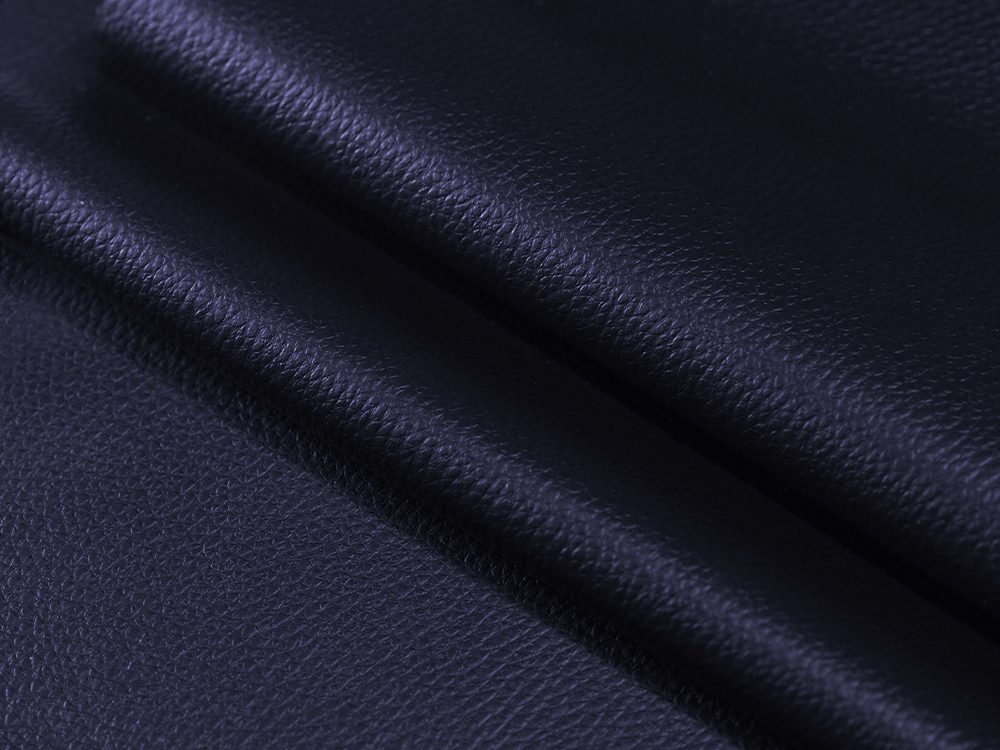
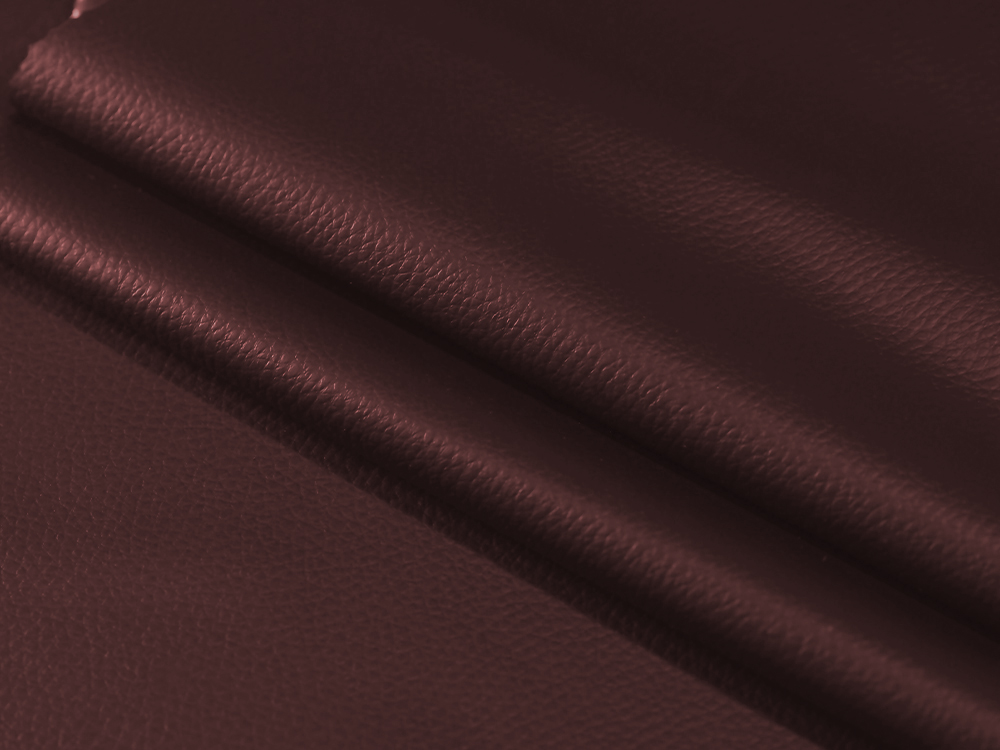
Why Is High Temperature Release Paper Essential for High-Performance PVC and PU Leather?
High temperature release paper is a critical branch of functional paper-based materials, widely applied in synthetic leather production, adhesive systems, composite films, and premium packaging. Its core value lies in providing controlled release properties, thermal stability, and surface-transfer functionality—key elements for achieving high-quality surface finishes and efficient manufacturing. Among these materials, super matt high temperature release paper represents a high-end category that is becoming an important driver in the upgrading of the synthetic leather industry.
Industry Positioning and Functional Mechanism
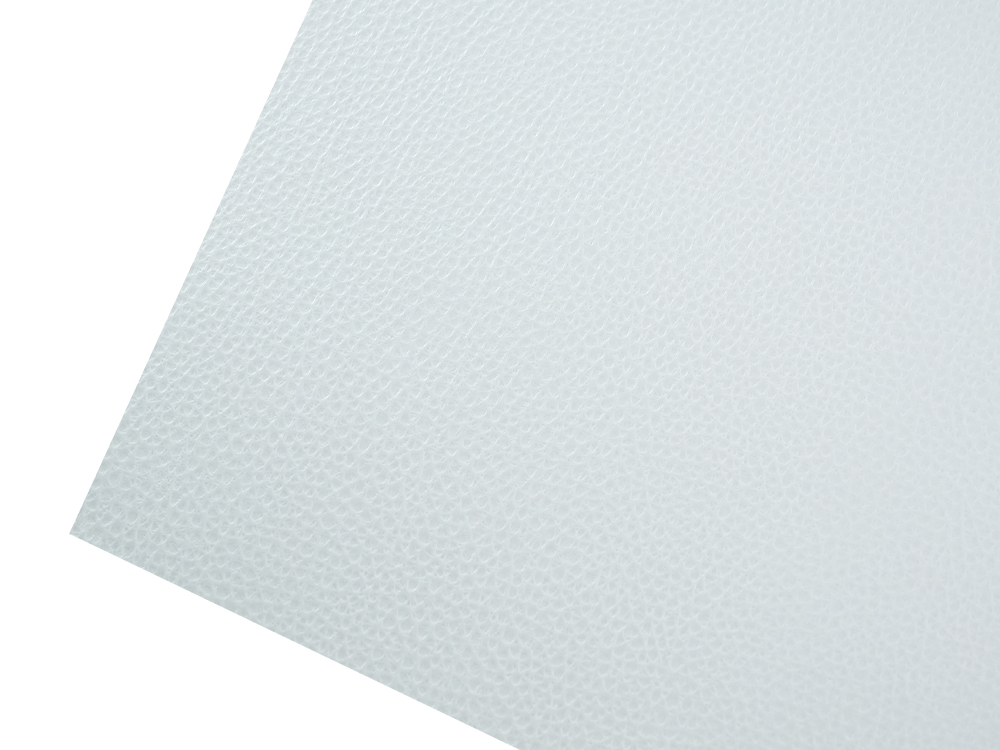
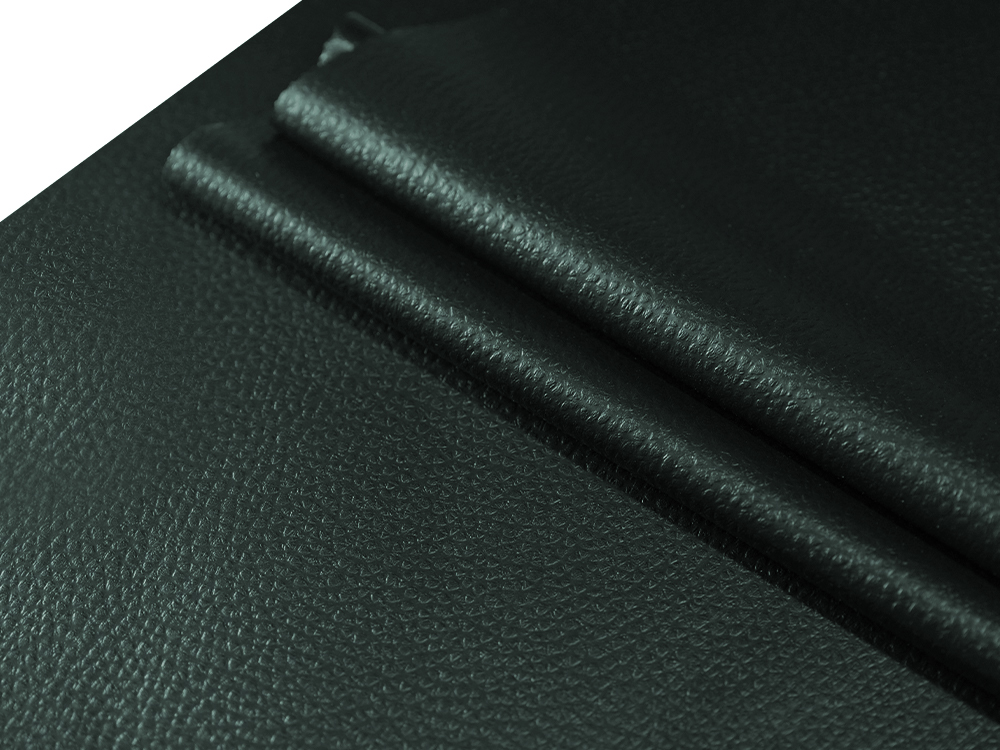
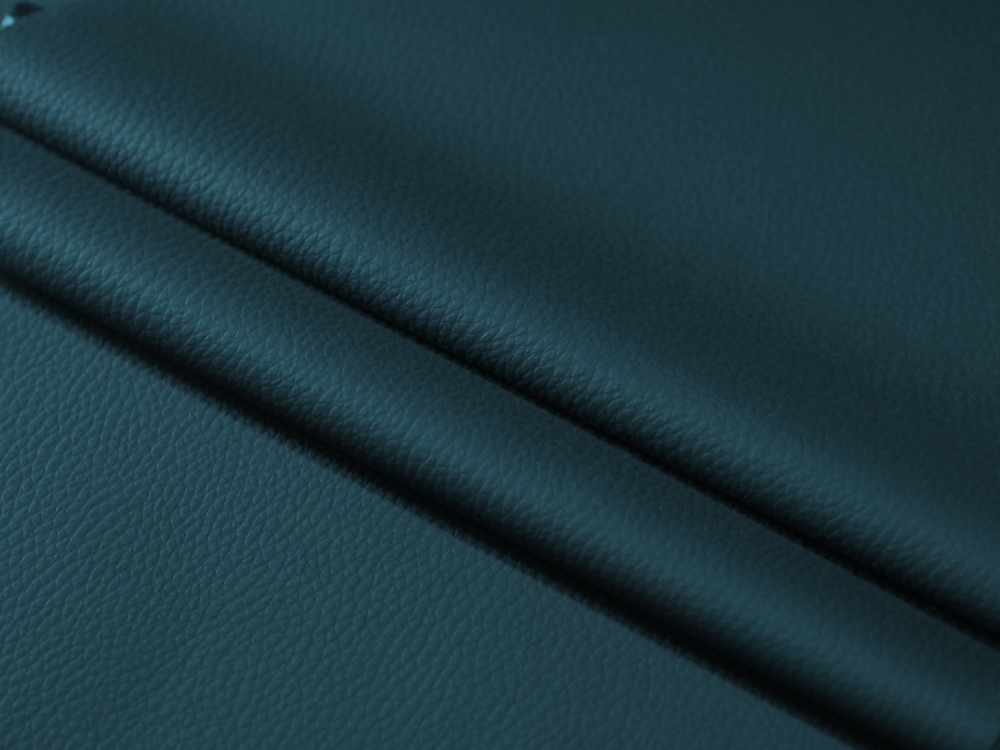
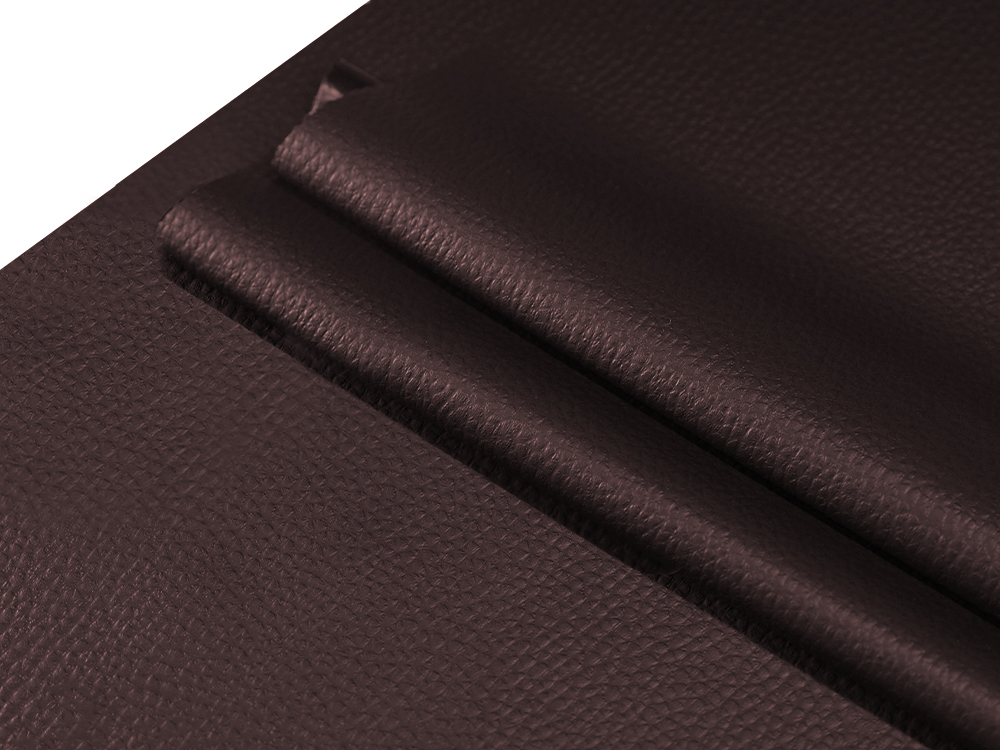
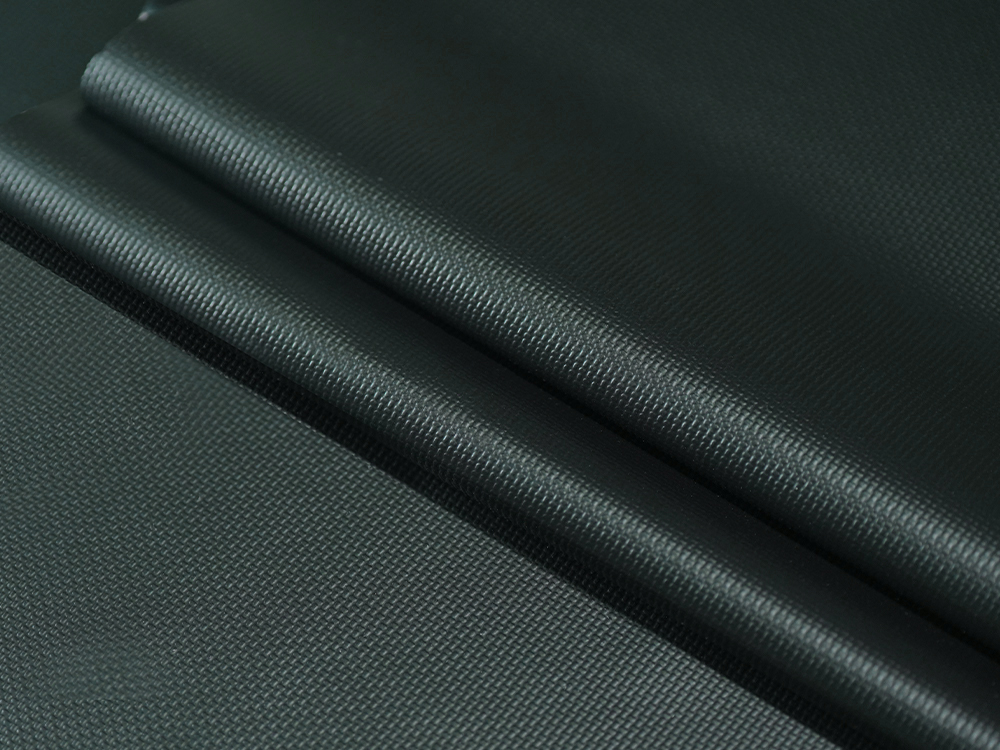
High temperature release paper is a specialty material engineered through coating or surface treatments to ensure that resins, adhesives, or synthetic leather compounds do not permanently adhere during curing, calendaring, or thermal lamination processes. It also plays a key role in transferring surface texture, gloss levels, and visual effects to the final material.
Its core functions can be summarized in three dimensions:
| Function Type |
Technical Description |
Representative Performance |
| Release Function |
Controls release force between paper and resin |
Smooth, residue-free separation |
| Surface-Transfer Function |
Transfers textures, gloss levels, or super-matt effects |
Super matt, high gloss, leather-grain patterns |
| Thermal Stability |
Maintains flatness and mechanical strength under high temperatures |
Stable at 180–220°C |
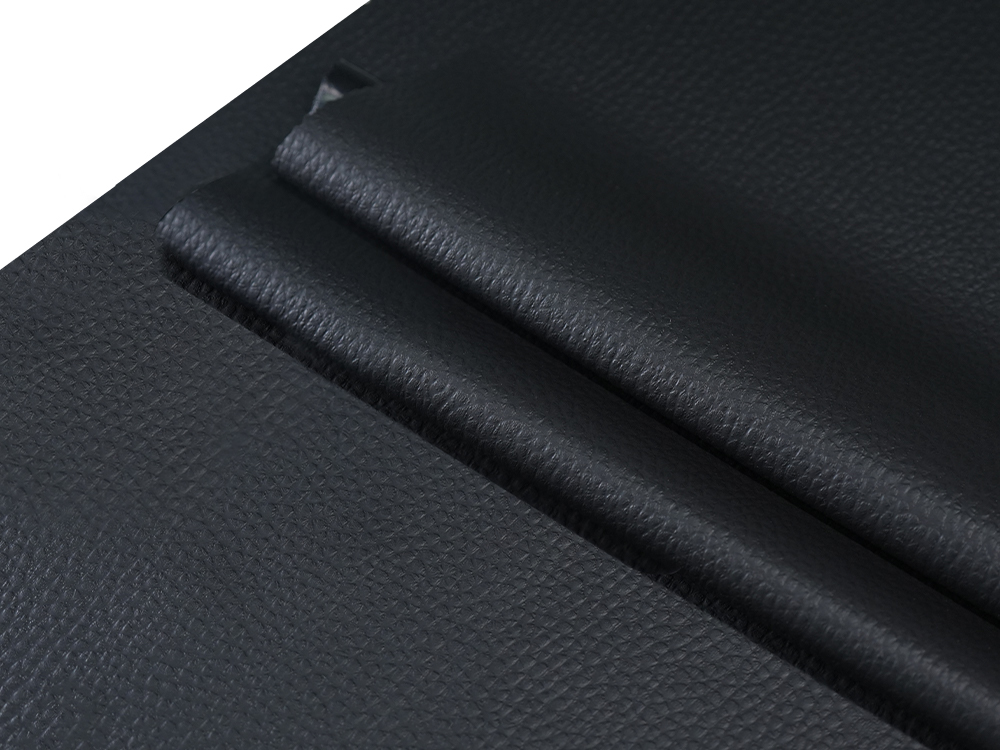
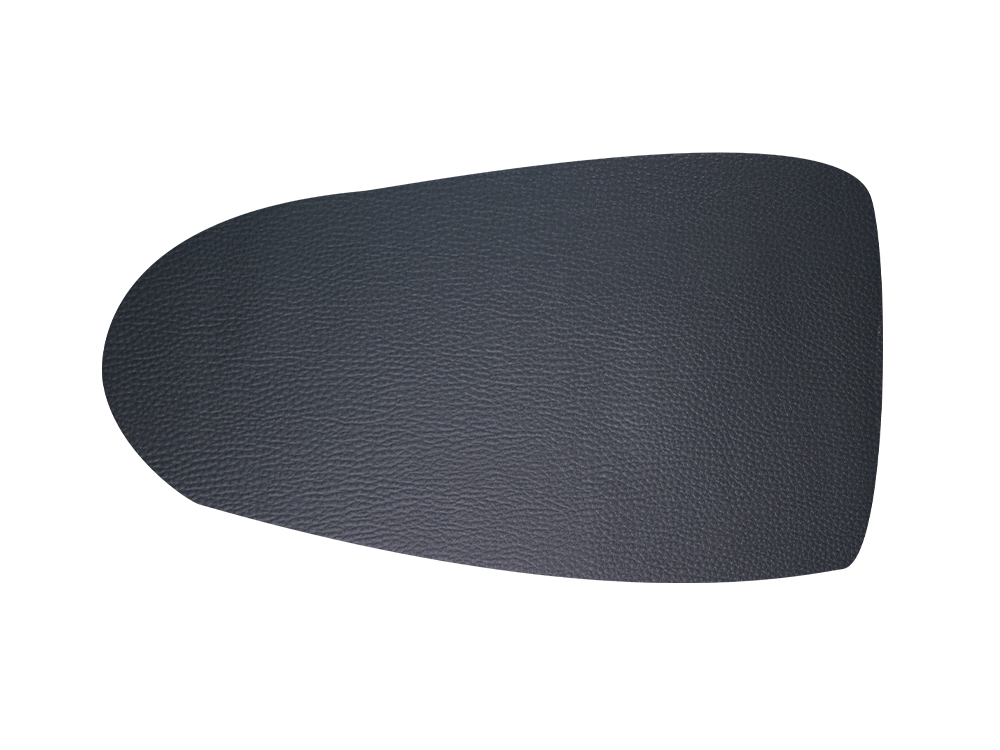
Among these, super matt high temperature release paper is valued for its ultra-low gloss, high heat resistance, and highly consistent transfer properties, especially in advanced PVC and semi-PU leather production.
Material Structure and Performance Requirements
A professional high temperature release paper typically consists of a base paper, functional coating layers, and surface treatment layers. Each layer contributes to its performance in high-temperature and high-pressure environments.
Base Paper Properties
The base paper must exhibit high density, tensile strength, dimensional stability, and flatness to withstand mechanical stress, repeated thermal cycles, and surface-transfer requirements.
Coating and Surface System
The coating determines release force, texture precision, and heat resistance. It must resist thermal decomposition, discoloration, softening, or powdering at elevated temperatures. Super matt systems require a micro-structured coating that produces uniform diffuse reflection to achieve a stable matte appearance.
Thermal-Resistance Criteria
During continuous exposure to 180–220°C, the release paper must maintain:
- Flatness without curling or blistering
- Stable coating adhesion and hardness
- Dimensional stability without shrinkage
- Consistent surface-transfer functionality
These attributes are essential for long-run PVC, PU, and semi-PU synthetic leather production lines.
Classification and Distinguishing Characteristics
High temperature release paper can be categorized according to function, surface characteristics, and application scenario.
| Category |
Features |
Applications |
| Super Matt High Temperature Release Paper |
Ultra-low gloss, stable heat resistance, high transfer accuracy |
High-end PVC leather, matte synthetic leather, footwear materials |
| High-Gloss Release Paper |
High gloss, dense surface, high reusability |
Glossy PVC leather, shiny bag leather |
| Embossed/Texture Release Paper |
Strong texture definition, uniform transfer |
Furniture leather, automotive leather |
| PE-Coated Release Paper |
Water-resistant, oil-resistant, thermally stable |
Composite materials, adhesive systems |
Among these, super matt high temperature release paper is technically demanding due to its need for both optical and thermal precision.
Application Value and Process Adaptability
Key Role in Synthetic Leather Production
High temperature release paper delivers significant advantages in PVC and semi-PU synthetic leather manufacturing:
-
Surface Structuring: Transfers leather grain, matte finishes, and fine visual effects.
-
Product Stability: Ensures consistent gloss, texture clarity, and uniformity.
-
Cost Reduction: High reusability reduces production costs—
- 50–60 reuse cycles in semi-PU production
- 8–15 reuse cycles in PVC production
-
Process Consistency: Maintains uniform pressure and temperature profiles throughout continuous production.
Compatibility with Manufacturing Processes
The material must withstand coating, drying, lamination, and calendaring steps. Mechanical strength, folding endurance, and flatness determine process stability. For super matt grades, durability of the micro-structured surface is essential to prevent gloss deviation during repeated use.
Industry Technology Trends
With the synthetic leather sector moving toward high performance, sustainability, and precision manufacturing, high temperature release paper is evolving in several directions:
Upgraded Ultra-Matt and Functional Surface Engineering
Super matt systems will continue advancing toward:
- More stable diffuse-reflection structures
- Higher abrasion resistance
- Improved micro-texture definition
Higher Heat Resistance and Longer Service Life
Future materials will target increased durability beyond 220°C and extended reuse cycles.
Customization and Flexible Manufacturing
The market demands greater flexibility in width, gloss, texture, and surface effects, driving manufacturers toward advanced R&D capabilities.
Enterprise Strength and Industrial Capability Example
Many companies in the industry have contributed to technological advancements. Anhui Honghuan New Material Technology Co., Ltd. integrates R&D, production, and sales, focusing on the research, development, production, and sales of release paper, PE coated paper, and other specialty packaging materials.
Its technical strengths include:
-
High-Temperature Innovation: In 2019, Honghuan developed a release paper capable of withstanding 220°C for synthetic leather applications while maintaining flatness, tensile strength, folding endurance, and tear resistance.
-
High Reusability:
- 50–60 cycles in semi-PU production
- 8–15 cycles in PVC production
-
Custom Development: Customizable widths (1520–2350 mm), gloss levels, and embossing patterns.
-
Professional Technical Support: A team of experts in leather release paper offering fast and precise after-sales services.
These capabilities reflect broader industry trends toward durability, precision, and adaptable production.
Conclusion
High temperature release paper—including super matt high temperature release paper—has become indispensable in synthetic leather and functional material manufacturing. Its significance extends beyond release functionality to embody process efficiency, surface-finish quality, and industrial cost optimization.



 English
 中文简体
中文简体