

 English
 中文简体
中文简体
TURKEY DISTRIBUTOR:
Submit feedback

High-Temperature Release Paper vs. Standard Release Paper: Thermal Resistance & Cost
Choosing between high-temperature release paper and standard release paper is a common decision in synthetic leather manufacturing. The choice affects not only the initial material cost, but also line speed, defect rate, surface quality, and how many times the paper can be reused. This guide compares thermal resistance and cost efficiency to help production teams select a release paper based on process conditions rather than price per roll alone.
Content
- 1 What Is High-Temperature Release Paper?
- 2 Key Differences at a Glance
- 3 Thermal Resistance: The Core Performance Difference
- 4 Cost Efficiency: Beyond the Initial Price
- 5 Texture and Gloss Stability Under Repeated Heat
- 6 How to Choose the Right Grade
- 7 Frequently Asked Questions
- 7.0.1 Q1: What temperature can high-temperature release paper withstand?
- 7.0.2 Q2: Is high-temperature release paper more expensive than standard release paper?
- 7.0.3 Q3: Can standard release paper be used for synthetic leather casting?
- 7.0.4 Q4: How many times can high-temperature release paper be reused?
- 7.0.5 Q5: Does the surface finish affect release paper selection?
- 8 Final Thoughts
What Is High-Temperature Release Paper?
High-temperature release paper is a specialty paper with a heat-stable release coating designed to withstand the repeated heating, pressing, and cooling cycles of PVC or PVC/PU synthetic leather casting. Standard release paper, by contrast, is better suited to lighter release tasks or lower-temperature processes. The difference is not only in coating chemistry; it also involves the base paper's ability to stay flat and dimensionally stable when heat is applied.
As this review of release paper types and specifications points out, paper substrate and coating must be matched to the temperature, pressure, and resin system. A standard release paper can be a valid choice in some situations, but its limits become visible as soon as heat exceeds its design range.
Key Differences at a Glance
| Feature | High-Temperature Release Paper | Standard Release Paper |
|---|---|---|
| Thermal resistance | Designed for repeated high-temperature casting cycles | Suitable for low or intermittent heat exposure |
| Release stability | Maintains clean release after multiple passes | May show sticking, residue, or coating breakdown sooner |
| Base paper strength | Higher dimensional stability and heat resistance | Lower tolerance to demanding thermal cycles |
| Surface repeatability | Consistent grain and gloss transfer | Texture can fade or become uneven over time |
| Initial cost | More expensive per roll or square meter | Usually lower cost per unit |
| Cost per cycle | More favorable when reuse and scrap are considered | May become more expensive if defects cause early replacement |
Thermal Resistance: The Core Performance Difference
The biggest difference is thermal resistance. When release paper is exposed to high heat for too long, common failure modes include coating migration, yellowing, blistering, and a gradual loss of release. Standard release paper can stick to the resin, tear, or leave contaminated texture on the finished leather. High-temperature release paper is engineered to avoid these failures through a more stable coating and a base sheet that resists heat aging.
The process requirements for car, luggage, floor, shoe, and sofa leather are not identical. Some finishes require a matte surface that must remain uniform across repeated batches. A gemstone matte high-temperature grade is one example of a design where low gloss and heat resistance are combined.
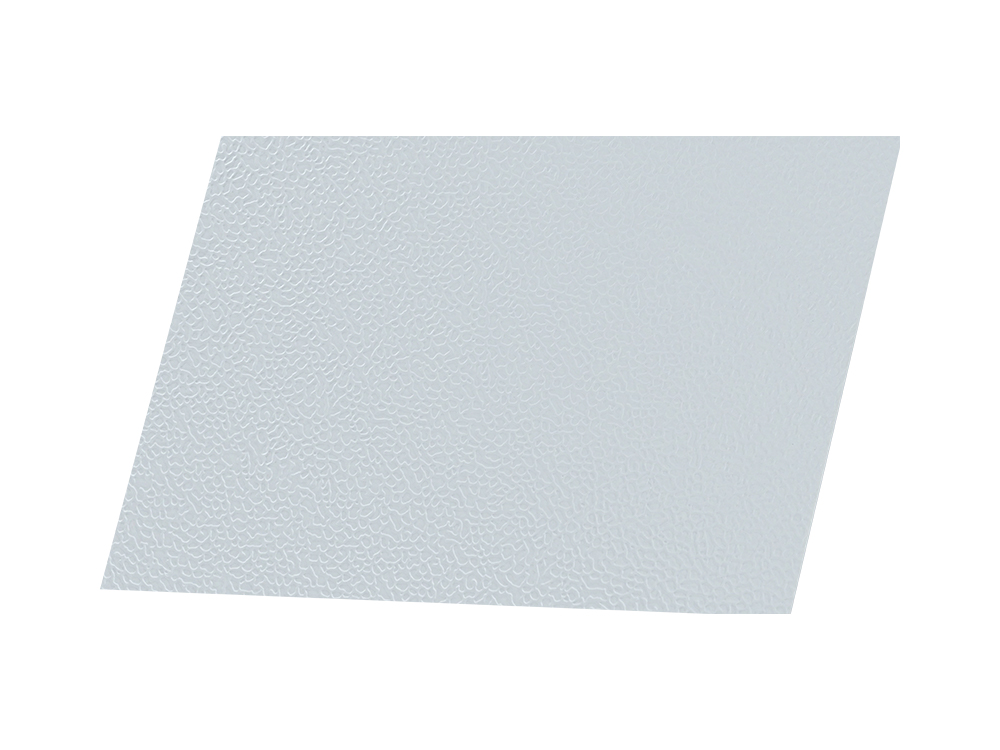 H318 Gemstone Matte High Temperature Release PaperThis silicone-coated release paper delivers a uniform gemstone matte finish with flatness and durability, making it suitable for premium PVC and semi-PU synthetic leather in automotive, luggage, and sofa applications.View Product →
Cost Efficiency: Beyond the Initial Price
Purchasing managers often see standard release paper as the cheaper option. The comparison changes when cost is measured per usable square meter of finished synthetic leather rather than per roll. A paper that fails during production creates resin waste, downtime, cleaning work, and rejected batches.
- Roll yield: the number of successful release cycles before the paper must be changed.
- Scrap rate: heat-related sticking, gloss drift, or texture failure can scrap whole panels.
- Line throughput: a thermally stable paper may allow faster cycles and fewer temperature adjustments.
- Maintenance and labor: frequent paper changes increase downtime and operator workload.
High-temperature release paper usually costs more per roll, but its cost per production cycle can be much lower.
For plain surfaces with low-gloss requirements, the reuse rate is an important part of the calculation because plain finishes are common in high-volume orders. The product card below shows a plain super-matt high-temperature release paper option for such processes.
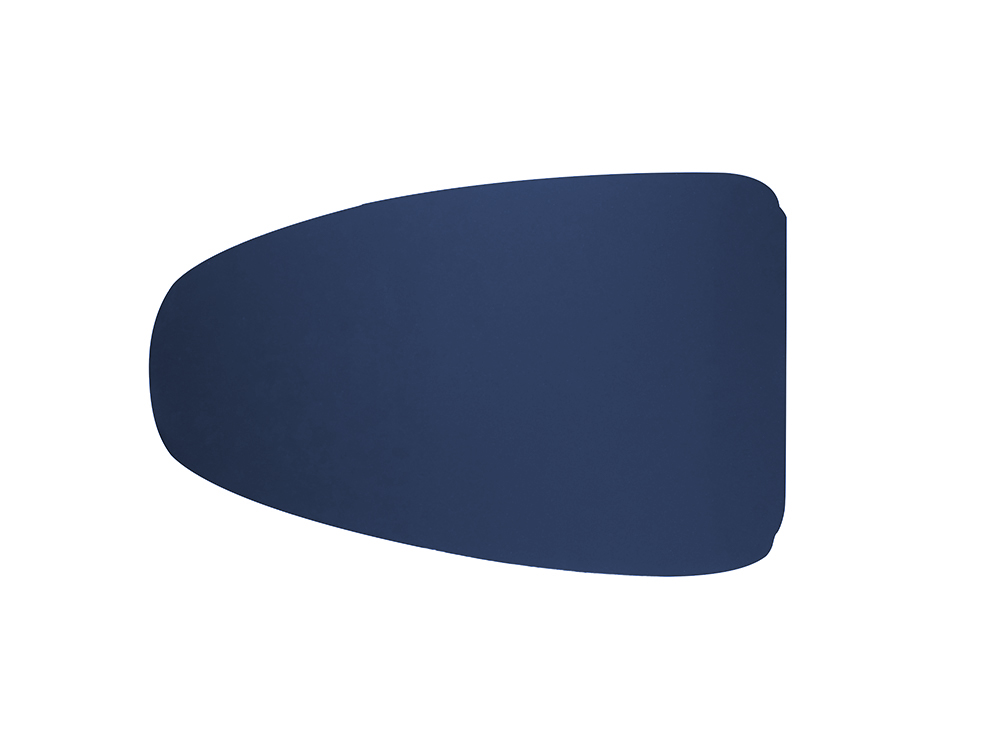 H808 Plain Super Matt High Temperature Release PaperDesigned for plain low-gloss surfaces, this super-matt release paper maintains consistent texture across multiple hot-pressing cycles, supporting reliable reuse and stable production in high-volume plain-finish orders.View Product →
Texture and Gloss Stability Under Repeated Heat
The surface effect of synthetic leather is created by pressing resin into the microtexture of the release paper. If that microtexture softens or flattens under heat, grain depth and gloss will change from batch to batch. High-temperature release paper holds its texture better over multiple cycles, while standard paper is more likely to exhibit gloss drift under hot pressing.
Decorative patterns such as large litchi are sensitive to both temperature and pressure. A semibright finish is particularly demanding because it needs a controlled combination of texture depth and surface reflection. The following product card shows a large litchi pattern high-temperature grade in semibright finish.
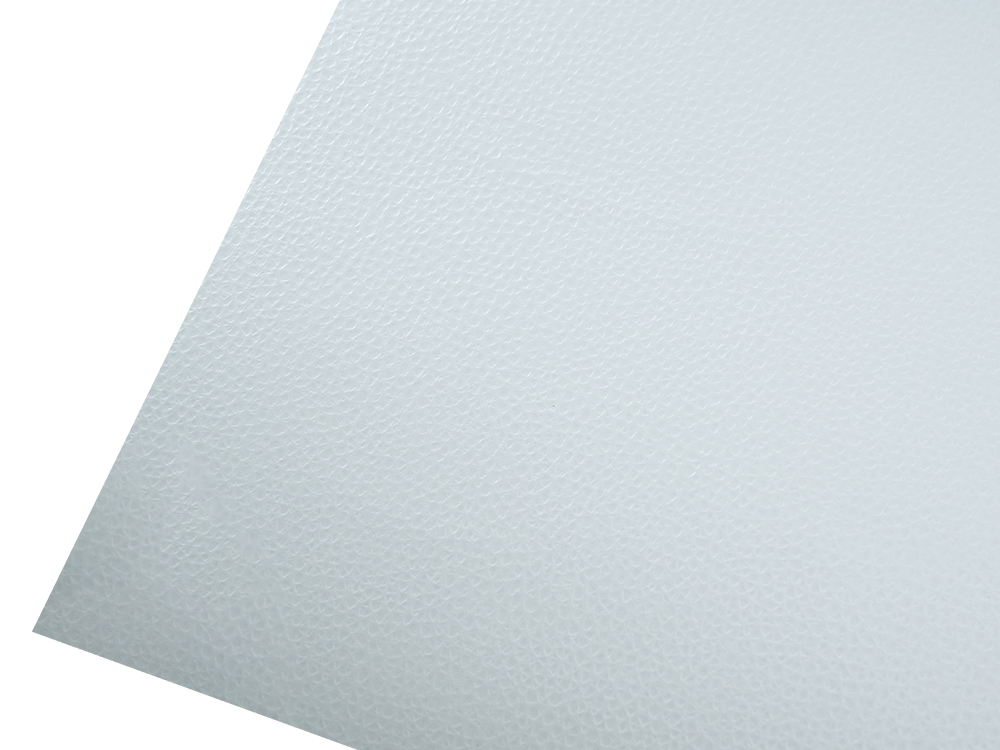 H558 Large Litchi Pattern Semi-bright High Temperature Release PaperThis high-temperature release paper reproduces a large litchi pattern with a semi-bright, controlled combination of texture depth and surface reflection, suitable for semi-gloss PVC and PU leather in automotive and furniture uses.View Product →
How to Choose the Right Grade
The choice between high-temperature and standard release paper depends on the resin system, highest process temperature, required finish, and planned reuse. Start by defining the operating temperature and cycle time for your line. Then compare those conditions with the release paper performance limits. If the line runs cool and the paper is replaced after one use, a standard product may be acceptable. If the line runs hot, needs consistent surface reproducibility, and calls for multiple passes, high-temperature release paper is usually justified.
Application type also matters. For shoe and sofa leather production, the gloss level and emboss texture are often set during casting, so the release paper grade must match those targets. Similar reasoning applies to automotive, flooring, and luggage leather; each has different demands for matte appearance, deep texture, or gloss stability.
Frequently Asked Questions
Q1: What temperature can high-temperature release paper withstand?
The exact limit depends on the base paper, coating, and process conditions. High-temperature release paper is designed to remain stable under repeated PVC/PU casting cycles, while standard release paper is not intended for prolonged exposure to high heat.
Q2: Is high-temperature release paper more expensive than standard release paper?
The initial price is generally higher, but the cost per production cycle can be lower because of better reuse, lower scrap rate, and fewer production interruptions.
Q3: Can standard release paper be used for synthetic leather casting?
It may work for light-duty or low-heat applications, but if the paper degrades during production, it can cause sticking, texture loss, and material waste.
Q4: How many times can high-temperature release paper be reused?
Reuse depends on coating type, pressure, resin residue, handling, and surface wear. High-temperature grades are formulated for repeated use, so the paper should be inspected after each cycle.
Q5: Does the surface finish affect release paper selection?
Yes. Texture depth and gloss level affect the required paper relief and coating stability. A matte or super-matt finish may need a different grade than a semibright finish.
Final Thoughts
High-temperature release paper usually carries a higher purchase price, but thermal resistance changes total cost over a production run. When standard release paper fails under heat, the cost of scrap and downtime quickly outweighs the initial saving. For synthetic leather manufacturers seeking consistent texture, predictable release, and better reuse, high-temperature release paper is the more cost-efficient choice in demanding processes.

Feel free to contact us now!
We provide customers with sustainable and environmentally friendly release paper products and services.


-

-
 INDIA DISTRIBUTOR:
 -
 ITALY DISTRIBUTOR:
 -
 PAKISTAN DISTRIBUTOR:
Copyright © Anhui Honghuan New Material Technology Co., Ltd. Rights Reserved.
Custom Casting Release Paper Factory