

 English
 中文简体
中文简体
TURKEY DISTRIBUTOR:
Submit feedback

Release Paper for Artificial Leather: Types, Functions & Selection Guide
Content
- 1 What Is Release Paper for Artificial Leather?
- 2 How Release Paper Functions in the Artificial Leather Process
- 3 Main Types of Release Paper Used in Artificial Leather
- 4 Surface Patterns and Texture Fidelity
- 5 Key Technical Specifications to Evaluate
- 6 Selecting Release Paper by Artificial Leather End Use
- 7 Storage, Handling, and Defect Prevention
What Is Release Paper for Artificial Leather?
Release paper for artificial leather is a specially engineered carrier substrate used in the direct coating and transfer coating processes that manufacture synthetic leather (PU leather, PVC leather, and microfiber leather). It serves as a temporary support surface onto which polyurethane resin or other coating compounds are applied, dried, and then transferred to a fabric or non-woven backing. Once lamination is complete, the release paper is peeled away and — depending on its grade — either discarded or reused for subsequent production runs.
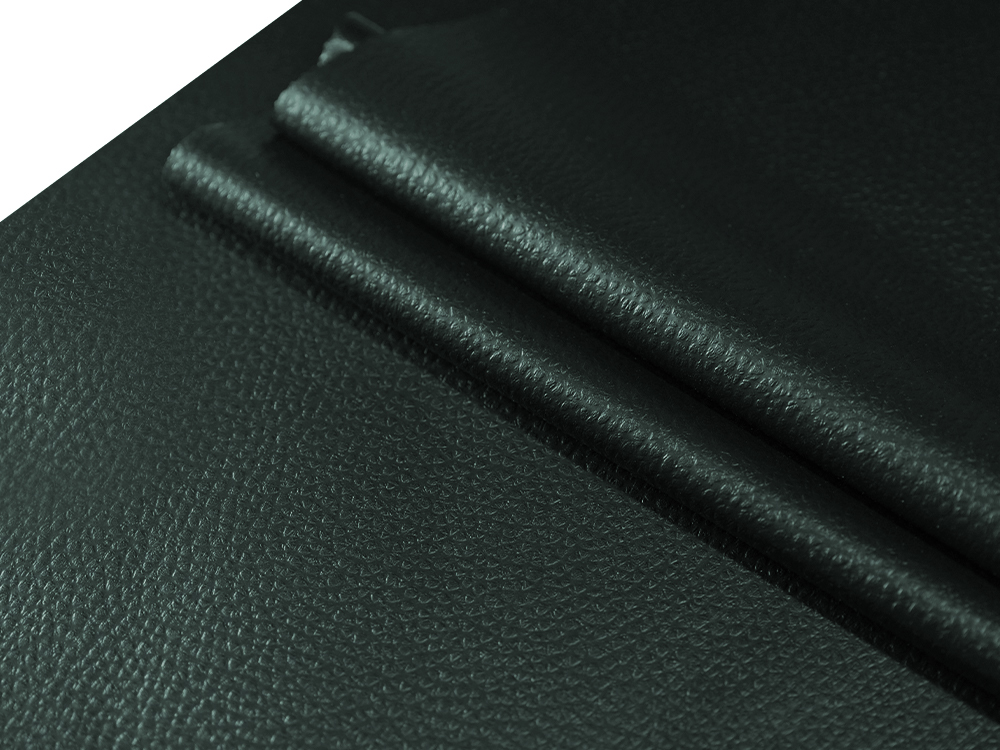
The surface of the release paper is not merely non-stick: it is precision-embossed with texture patterns that are permanently transferred to the surface of the finished leather during the coating process. This means the grain pattern, gloss level, and tactile finish of the final artificial leather product are entirely determined by the release paper selected. A smooth release paper produces a high-gloss surface; a fine-grain embossed paper produces a natural leather appearance; a deep-pore pattern replicates full-grain or corrected-grain bovine hide.
Beyond texture transfer, release paper must perform reliably across a range of industrial demands: stable dimensional behavior at elevated drying oven temperatures (typically 120–160°C), consistent peel force throughout the lamination cycle, and chemical compatibility with both solvent-based and waterborne PU coating systems.
How Release Paper Functions in the Artificial Leather Process
Understanding the functional role of release paper requires a brief look at the two principal manufacturing methods it supports:
Dry Transfer Coating Method
In dry transfer the coating process proceeds in reverse: resin is applied directly to the release paper surface in multiple layers — typically a surface coat, a foam layer, and an adhesive layer — each dried sequentially in heated ovens. The fabric backing is then pressed onto the adhesive layer, bonded under controlled pressure and temperature, and the release paper is stripped away after cooling. The embossed texture from the release paper surface is faithfully replicated on the leather's top coat, with dimensional accuracy in the range of ±2–5 microns for premium-grade papers.
Wet Coagulation Method
In wet coagulation processes — more common for microfiber base materials — the release paper acts primarily as a dimensional stabilizer and surface texture provider during the impregnation and coagulation bath stages. Temperature and chemical resistance requirements are more demanding in this application, as the paper is exposed to DMF (dimethylformamide) solvent or water-based coagulation solutions at elevated temperatures for extended periods.
In both methods, the release force (peel strength between the coating film and the paper surface) is critical. Too high a release force tears or deforms the finished leather surface during stripping; too low causes premature separation during the coating process, resulting in surface defects. Quality release papers are engineered to deliver consistent release forces in the range of 0.05–0.3 N/cm depending on application requirements.
Main Types of Release Paper Used in Artificial Leather
Release papers for artificial leather are broadly categorized by base material construction and surface treatment. Each type presents distinct performance trade-offs in terms of durability, texture resolution, and cost per run:
| Type | Base Material | Typical Reuse Cycles | Best For |
|---|---|---|---|
| Single-use kraft release paper | Bleached/unbleached kraft pulp + silicone coating | 1–3 runs | Cost-sensitive PVC leather, basic PU applications |
| Multi-use coated release paper | High-density base paper + polyethylene laminate + silicone | 8–20 runs | Mid-range PU leather, furniture and automotive interiors |
| Solvent-resistant release paper | Reinforced base + chemical-grade silicone release layer | 15–30 runs | DMF wet-process microfiber leather |
| High-temperature release paper | Glassine or specialty base + thermally stable release agent | 20–50 runs | High-speed production lines, oven temperatures above 150°C |
| Embossed texture release paper | Any base + mechanically or laser-embossed surface pattern | Varies by construction | Decorative surfaces, fashion leather, automotive trim |
A distinct subset worth noting is wet-strength release paper, developed specifically for waterborne (solvent-free) PU coating systems that have grown in adoption as environmental regulations tighten in China, Europe, and South Korea. These papers maintain dimensional stability and consistent release properties when exposed to aqueous coating dispersions, a requirement that standard PE-laminated papers often fail to meet due to edge delamination and moisture-induced waviness.
Surface Patterns and Texture Fidelity
The embossed surface of a release paper is the direct mold for the artificial leather's grain. Pattern design and engraving quality are therefore manufacturing variables with direct commercial implications: a release paper with precise, deep-etched grain patterns enables artificial leather to command premium pricing by closely mimicking natural hide aesthetics.
Common surface patterns available in standard commercial catalogs include:
- Plain / high gloss: Mirror-smooth surface, used for patent leather, glossy handbag leather, and fashion footwear.
- Lychee grain: One of the most widely used patterns globally; produces a rounded, irregular grain associated with casual bags, garments, and upholstery.
- Crocodile / alligator grain: Deep rectangular scale pattern; high-demand in luxury handbag and belt applications.
- Nappa / fine grain: Subtle, soft-pore surface replicating nappa lamb or calf leather; preferred in automotive seating and premium garment leather.
- Matte / semi-matte: Low-gloss textured surfaces used in sportswear and technical leather goods.
- Custom engraved patterns: Brand-specific logos, carbon fiber textures, geometric patterns, and proprietary surface designs produced on request for OEM applications.
Pattern depth and sharpness degrade over successive runs, which is why reuse cycle ratings matter significantly for pattern-sensitive applications. A release paper rated for 20 runs on plain PU may only maintain acceptable grain fidelity for 8–10 runs when producing deep-embossed crocodile texture leather.
Key Technical Specifications to Evaluate
Procurement teams and production engineers sourcing release paper should assess the following parameters to match product specification to process requirements:
Basis Weight and Caliper
Release paper for artificial leather typically ranges from 100 g/m² to 200 g/m² in basis weight, with caliper (thickness) of 0.10–0.22 mm. Heavier, thicker papers offer better dimensional stability on high-tension coating lines but are less flexible and harder to handle on roll-to-roll equipment with tight bend radii.
Release Force Consistency
Release force should remain consistent across the width of the roll (cross-direction uniformity) and across successive runs (run-to-run repeatability). Reputable suppliers provide certified release force data measured by standard peel test methods (typically 180° peel at 300 mm/min) and specify the degradation curve over the rated reuse cycle count.
Heat Resistance Rating
Most artificial leather drying ovens operate between 120°C and 160°C. Papers should be tested and certified for continuous exposure at the intended oven temperature without curl, delamination, or silicone migration. High-speed lines running above 140°C require specialty papers; standard commercial grades are unsuitable and will fail within a few runs.
Silicone Coating Type and Migration
The silicone release layer must be fully cured to prevent migration onto the leather surface, which causes adhesion failures in downstream finishing (printing, embossing, laminating). Silicone migration is tested via surface energy measurement (dyne level) — a post-peel surface energy below 30 mN/m on the leather side indicates silicone contamination and is cause for rejection.
Roll Format and Core Specifications
Standard roll widths for artificial leather production lines range from 1,280 mm to 1,600 mm. Core diameter (3-inch or 6-inch) and maximum roll diameter must be confirmed against unwind stand specifications to ensure compatibility with automated coating equipment.
Selecting Release Paper by Artificial Leather End Use
End-use application is the most practical starting point for release paper selection. The requirements of automotive seating leather differ substantially from those of fashion handbag leather or sports footwear leather:
- Automotive interior leather (seats, door panels, steering wheels): Requires nappa or fine-grain patterns, high heat resistance, and consistent release force over high-volume production runs. Multi-use papers rated for 20+ cycles are standard. Silicone migration testing is mandatory as surface contamination affects bonding of subsequent foam or fabric layers.
- Fashion handbags and accessories: High pattern fidelity is the priority. Custom-embossed crocodile, python, and ostrich patterns are common. Single-use or low-cycle papers are acceptable given that pattern sharpness must remain perfect across every production batch.
- Sports footwear uppers: Matte and semi-matte surfaces dominate. Papers must perform consistently with waterborne PU systems increasingly required by major footwear brands under their sustainability sourcing policies.
- Furniture and contract upholstery: High-volume, cost-optimized production. Multi-use lychee grain papers provide the best balance of cost-per-run efficiency and acceptable surface quality for residential and commercial upholstery markets.
- Garment leather: Soft, supple drape is essential, requiring thin base papers (100–130 g/m²) that allow the coating film to form without excessive stiffness. Nappa and smooth patterns with matte finishes are the primary specifications.
Storage, Handling, and Defect Prevention
Release paper is sensitive to environmental conditions during storage and handling. Improper storage is a leading cause of production defects that are often misattributed to coating formulation or process parameters. Key handling requirements include:
- Temperature and humidity: Store in conditions of 18–25°C and 45–65% relative humidity. Excessive humidity causes cockling (paper waviness) that leads to uneven coating weight and surface wrinkle defects in the finished leather.
- Horizontal roll storage: Rolls must be stored horizontally on core ends, never on the cylindrical surface, to prevent flat-spotting that causes periodic press-mark defects during coating.
- Conditioning before use: Rolls should be conditioned in the production environment for a minimum of 24 hours before loading onto the coating line to equilibrate moisture content with ambient conditions.
- Edge protection: Roll edges are the most vulnerable point for moisture absorption and mechanical damage. Original packaging should not be removed until the roll is ready for loading.
- Reuse inspection protocol: On multi-use papers, each recovered roll should be inspected under raking light for surface scratches, silicone depletion (visible as matte patches in a glossy pattern), crease lines, and edge delamination before reloading.
The most common defect caused by release paper failure is "fish-eye" pitting — small circular craters on the leather surface caused by silicone spot contamination or localized surface energy variation on the paper. This defect is irreversible in the finished product and results in full batch rejection. Incoming quality control protocols should include spot-check surface energy measurement on every new roll receipt.

Feel free to contact us now!
We provide customers with sustainable and environmentally friendly release paper products and services.


-

-
 INDIA DISTRIBUTOR:
 -
 ITALY DISTRIBUTOR:
 -
 PAKISTAN DISTRIBUTOR:
Copyright © Anhui Honghuan New Material Technology Co., Ltd. Rights Reserved.
Custom Casting Release Paper Factory