

 English
 中文简体
中文简体
TURKEY DISTRIBUTOR:
Submit feedback

Leather Release Paper: Types, Texture & Buying Guide
Content
- 1 What Leather Release Paper Is and How It's Used
- 2 Key Layers That Make Up the Paper
- 3 Silicone vs. Non-Silicone Release Coatings
- 4 Common Texture Patterns and Their Applications
- 5 How the Paper Is Manufactured
- 6 Compatibility with Different Substrates
- 7 Choosing Release Paper for a Production Line
- 8 Storage and Handling Considerations
What Leather Release Paper Is and How It's Used
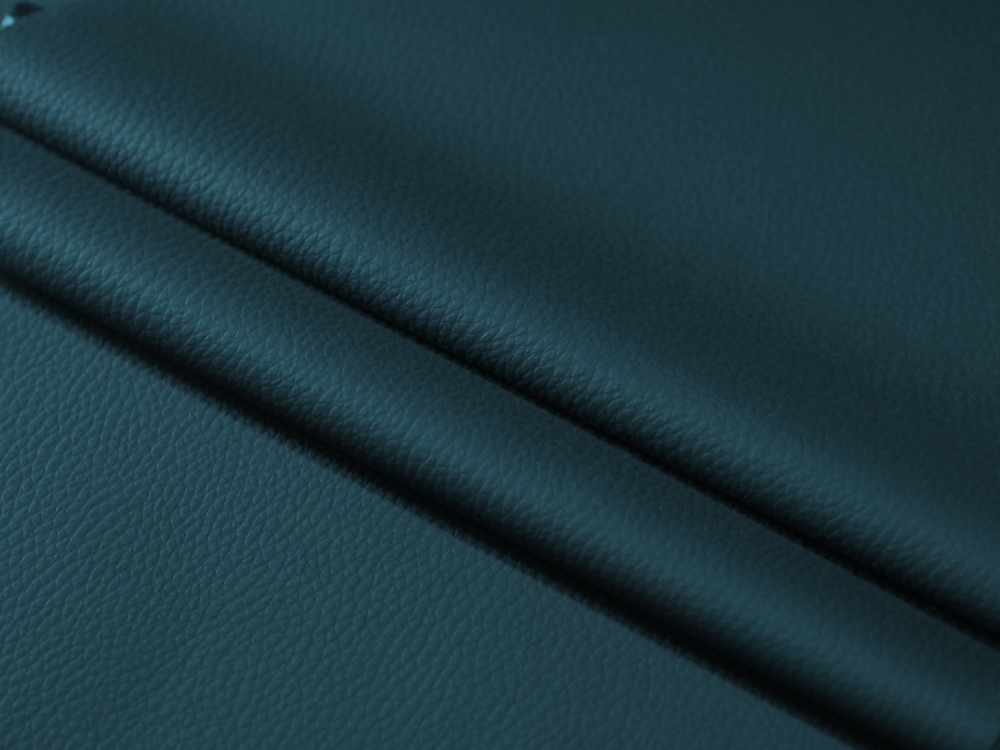
Leather release paper is a textured, coated paper used as a mold surface in the production of synthetic leather and PU/PVC coated fabrics. During manufacturing, liquid polyurethane or PVC resin is cast onto the paper's embossed surface, cured, and then peeled away — transferring the paper's texture onto the finished material as a grain pattern that mimics natural leather.
The paper itself never becomes part of the final product; its job is purely to shape the surface texture and then release cleanly once the resin has set. A well-made release paper can be reused across multiple casting cycles before the texture begins to degrade.
Key Layers That Make Up the Paper
- Base paper: A high-density, heat-resistant kraft paper that provides dimensional stability under repeated heat and pressure cycles.
- Embossed texture layer: A mechanically pressed or engraved pattern — grain, pebble, lychee, or custom designs — that transfers onto the cast resin surface.
- Release coating: A thin surface layer, typically silicone-based, that allows the cured resin to separate cleanly from the paper without tearing or leaving residue.
Silicone vs. Non-Silicone Release Coatings
Coating type affects both release performance and how the paper interacts with different resin chemistries.
| Coating Type | Release Performance | Best Suited For |
|---|---|---|
| Silicone-coated | Very clean release, low peel force | PU resin casting, high reuse cycles |
| Non-silicone coated | Moderate, application-dependent | Resins sensitive to silicone transfer/contamination |
Common Texture Patterns and Their Applications
- Natural grain: Mimics irregular, organic leather grain patterns, widely used in furniture and automotive upholstery.
- Lychee pattern: A fine, dotted texture common in bag and footwear materials for a subtle, non-glossy finish.
- Pebble/crocodile embossing: Bold, structured patterns used for fashion accessories and decorative applications.
- Matte flat texture: Minimal surface pattern for materials intended to have a smooth, low-sheen finish.
How the Paper Is Manufactured
Production generally follows a sequence of base paper treatment, texture embossing, and coating application:
- The base kraft paper is calendered to build density and heat resistance before texturing.
- An engraved roller presses the chosen texture pattern into the paper surface under controlled pressure and temperature.
- A release coating is applied and cured across the textured surface to achieve consistent peel performance.
- Finished rolls are slit to width and wound for shipment, matched to the casting line specifications of the buyer.
Compatibility with Different Substrates
Release paper needs to be matched to the resin system it will be cast against. PU (polyurethane) casting generally works well with standard silicone-coated papers, while PVC casting — which involves higher processing temperatures — often requires papers rated for greater heat stability to avoid texture distortion. Water-based PU systems can also behave differently from solvent-based systems in terms of adhesion and release force, which is worth confirming with a small trial run before committing to a full production batch.
Choosing Release Paper for a Production Line
- Match roll width and core size to existing casting line equipment to avoid retrofitting.
- Confirm reuse cycle count under the specific resin and temperature conditions being used, since this directly affects per-unit material cost.
- Request texture samples cast under production conditions rather than relying on catalog images, since final texture depth can vary with resin viscosity.
Storage and Handling Considerations
Release paper performance is sensitive to environmental conditions. Rolls should be stored in a temperature- and humidity-controlled area, since excess moisture can affect the coating's release consistency and cause the base paper to warp. Rolls should also be stored upright and rotated periodically during long-term storage to prevent flat-spotting, which can telegraph into the texture pattern during later use.

Feel free to contact us now!
We provide customers with sustainable and environmentally friendly release paper products and services.


-

-
 INDIA DISTRIBUTOR:
 -
 ITALY DISTRIBUTOR:
 -
 PAKISTAN DISTRIBUTOR:
Copyright © Anhui Honghuan New Material Technology Co., Ltd. Rights Reserved.
Custom Casting Release Paper Factory