

 English
 中文简体
中文简体
TURKEY DISTRIBUTOR:
Submit feedback

Leather Release Paper Guide: PU vs. PVC, Embossing & Selection
Content
What Is Leather Release Paper
Leather release paper is a specialty backing paper coated with a textured, release-treated surface that's used as a mold during the manufacture of synthetic leather. Rather than shaping leather after it's formed, the paper's embossed surface pattern transfers directly onto the polymer coating while it's still liquid or semi-cured, then peels away cleanly once the material has set — leaving behind a grain pattern that mimics natural leather texture without needing a separate embossing step afterward.
The paper itself is a base paper (typically kraft) coated with a release layer, usually silicone-based, that prevents the polymer coating from bonding permanently to the paper. Getting this release characteristic right is the core engineering challenge of the product: release force needs to be low enough that the paper separates from the finished material cleanly without tearing or distorting the grain pattern, but not so low that the paper can't hold its shape and transfer pattern accurately during the coating and curing process.
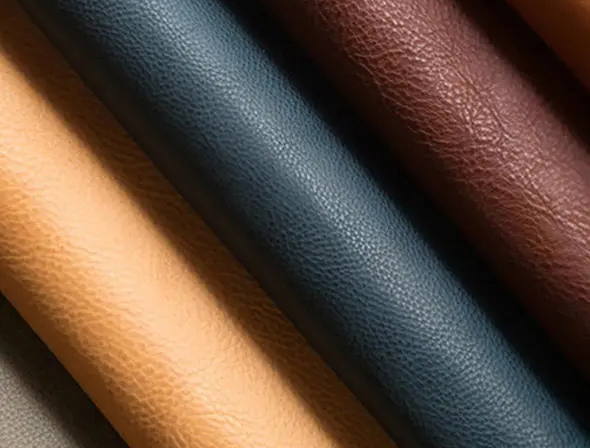
How Release Paper for Synthetic Leather Manufacturing Works
In a typical production line, release paper for synthetic leather manufacturing functions as a reusable or single-use mold surface at the point where liquid polymer meets its final texture:
- Paper preparation — release paper with the desired embossed grain pattern is fed through the production line, textured side facing up to receive the polymer coating.
- Polymer coating application — liquid PU or PVC compound is coated directly onto the textured paper surface, filling the embossed pattern and picking up its texture in reverse.
- Fabric or backing lamination — a base fabric layer is laminated onto the polymer coating while it's still workable, becoming the structural backing of the finished synthetic leather.
- Curing — the laminated structure passes through heat or curing stations to set the polymer fully, locking the transferred grain pattern into the finished surface.
- Release and separation — once cured, the paper peels away from the finished leather, leaving the embossed texture on the polymer surface and freeing the paper for reuse if it's a multi-use grade.
Reusable release paper grades can go through dozens of coating cycles before the release layer degrades enough to affect separation quality, which is a meaningful cost factor for manufacturers running high production volumes — paper that only survives a handful of cycles before needing replacement adds significantly more to per-unit cost than a grade rated for extended reuse.
PU vs. PVC Leather Release Paper
While the underlying release paper technology is similar, the coating chemistry it's paired with — polyurethane or PVC — affects processing conditions and, in turn, which paper specifications matter most:
| Type | Processing Conditions | Paper Considerations |
|---|---|---|
| PU leather release paper | Solvent or waterborne coating, moderate curing heat | Needs good solvent resistance in the release layer to avoid degrading with repeated solvent exposure across reuse cycles |
| PVC leather release paper | Higher processing temperatures during plastisol gelling and fusion | Requires higher heat-resistant base paper and release coating to withstand fusion oven temperatures without warping |
Because synthetic leather release paper sits in direct contact with the coating chemistry through every processing stage, using a paper grade designed for the wrong polymer system is a common cause of premature release-layer breakdown — a paper built for PU's lower processing temperatures may not hold up reliably under PVC's fusion oven heat, even if the grain pattern itself would otherwise be suitable.
Embossing Patterns and Grain Transfer
Leather embossing release paper is manufactured with the negative (reverse) impression of whatever grain pattern the finished leather is meant to display — full-grain, pebble grain, croc-embossed, or a custom pattern — pressed into the paper surface during its own manufacturing process, typically through a heated embossing roller against the base paper.
Pattern depth and definition on the release paper directly determine how crisp the final grain appears on the synthetic leather — a shallow or worn embossing pattern produces a flatter, less defined texture on the finished material, which is why embossing depth is one of the specifications worth confirming with a supplier rather than assuming all release paper in the same general pattern category will transfer texture identically.
Custom embossing patterns are also common for brands wanting a distinctive, proprietary grain texture rather than a generic pattern available to any buyer — this typically requires commissioning a custom embossing roller, which adds lead time and tooling cost but produces a grain pattern that isn't available to competitors sourcing from the same paper supplier's standard catalog.
What to Check Before Selecting a Release Paper Supplier
A few specifications matter more in practice than grain pattern alone when evaluating release paper for a production line:
- Release force consistency — release force should stay stable across the paper's rated number of reuse cycles, not just on the first pass; inconsistent release force late in the reuse cycle causes grain distortion or tearing.
- Heat resistance rating — must match or exceed the actual curing or fusion temperatures used on the production line, with some margin rather than running at the paper's maximum rated temperature continuously.
- Base paper weight and tensile strength — heavier, higher-tensile base paper resists tearing and stretching through repeated handling and tension on the production line, extending usable reuse cycles.
- Rated reuse cycle count — suppliers should be able to state an expected number of coating cycles before release performance degrades meaningfully, which is the main driver of real cost-per-unit rather than the sheet price alone.
Comparing suppliers purely on price per roll or per square meter without accounting for reuse cycle count and defect rate tends to produce misleading cost comparisons — a cheaper paper that needs replacing twice as often, or that produces a higher rate of grain defects requiring rework, often ends up costing more per finished square meter of leather than a higher-priced grade with better durability.

Feel free to contact us now!
We provide customers with sustainable and environmentally friendly release paper products and services.


-

-
 INDIA DISTRIBUTOR:
 -
 ITALY DISTRIBUTOR:
 -
 PAKISTAN DISTRIBUTOR:
Copyright © Anhui Honghuan New Material Technology Co., Ltd. Rights Reserved.
Custom Casting Release Paper Factory